
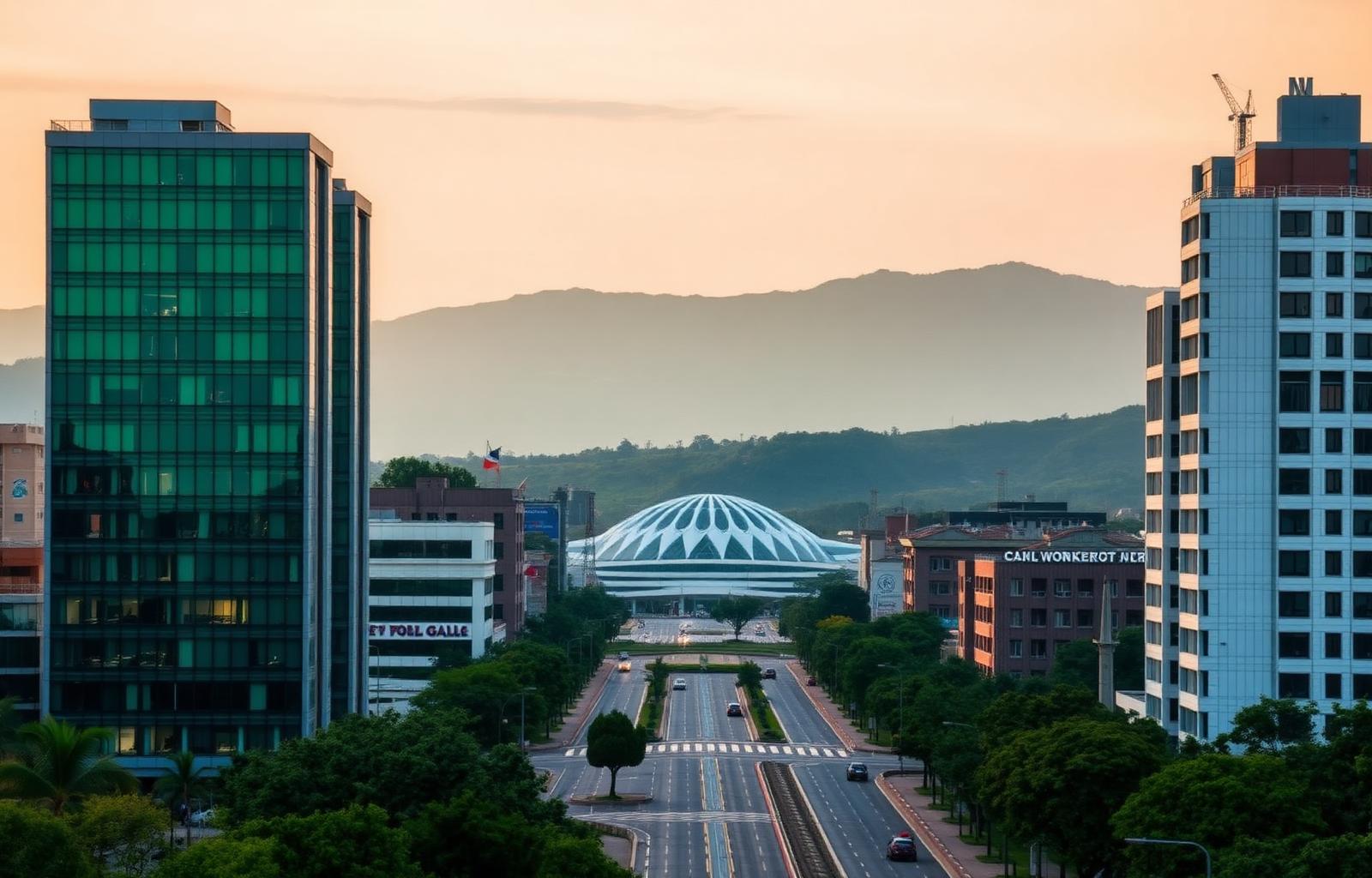
Rwanda is not the obvious answer when European organizations think about where to build engineering capacity. That is precisely why it is becoming an interesting one. The market has been moving for a decade in a direction that quietly fits how mature European buyers now think about distributed delivery.
Why Rwanda earns a place on the shortlist
The reasons are structural, not promotional. A stable, predictable government environment. Sustained public investment in digital infrastructure. English-language business norms. A growing engineering ecosystem anchored by serious local studios. Time-zone overlap with Europe that supports real working-day collaboration rather than asynchronous hand-offs.
Strategic capacity, not cost arbitrage
The interesting question is not whether Rwandan engineers cost less than European engineers. It is whether the ecosystem can support durable engineering capacity for the next decade. That is a different question, and the answer depends on the things European buyers actually care about: stability, continuity, governance and the ability to scale a team without rebuilding it every quarter.
Cost arbitrage explains the first engagement. Operational maturity explains the renewal.
What this means for European organizations
- A real alternative to saturated nearshore markets, with closer cultural fit than many far-shore options.
- Time-zone alignment that keeps European stakeholders inside the delivery loop in real time.
- A regulatory and contractual posture that is increasingly compatible with European obligations when held under European governance.
- A maturing pool of senior engineers staying in the country rather than emigrating, a recent and important shift.
Rwanda is not a replacement for Europe. It is becoming a credible extension of European engineering capacity, operated under European accountability, which is exactly the configuration most modern organizations are looking for.